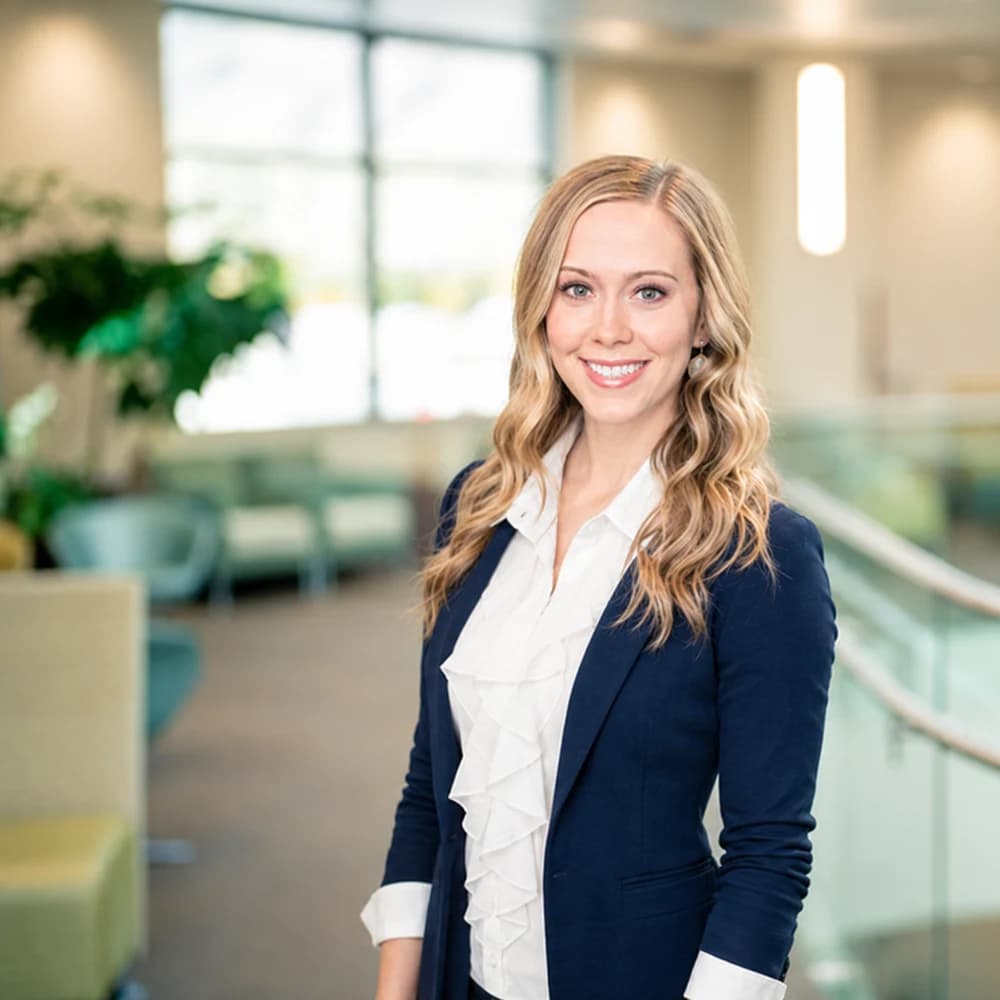
Whitney Collins is a doctor nurse practitioner who earned her doctorate from the University of Utah in 2020. She worked as a nurse for about eight years before becoming a nurse practitioner, and she has spent the last six years in plastic and reconstructive surgery with a practice in Logan. Her father was diagnosed with cancer in 2017 and died in 2018, an experience she says lets her sympathize with some of what her patients are carrying.
Much of her work begins at the very start of the breast cancer journey, often before genetic testing is back or an MRI has been read. She explains lumpectomy and mastectomy, implant-based and tissue-based reconstruction, tissue expanders wrapped in AlloDerm, and fat grafting, along with the 1998 law requiring most insurers to cover breast cancer surgery and reconstruction. Filling tissue expanders, she says, is one of her favorite parts of the job.
On Healing at Your Core, Whitney Collins joined Bree Allred, who brings her own experience as a breast cancer survivor, for a conversation about breast surgery and reconstruction options. They talked through what shapes the lumpectomy or mastectomy decision, how expanders and implants work, what the first two weeks after surgery involve, why drains are often the hardest part, and why honest expectations and emotional support matter alongside the surgical plan.