
Areola Restoration After Mastectomy: Feeling at Home in Your Body Again
What areola restoration after mastectomy involves, and one gentle way to meet the mirror this week.
By Bree AllredPT, DPT, PRPC · Aylara Pelvic Health
The mirror was the part nobody warned me about
After my first mastectomy, my nipple was still there, and that small detail made the breast still feel like mine. When a later surgery removed it, I looked down and understood that my body had been permanently changed. Nothing was wrong, exactly. The scars were healing. The reconstruction was done. It just felt unfinished.
Areola restoration tattooing afterward helped my breast feel like a breast again, in the mirror and in my marriage. I wanted to talk with tattoo artist Calais Mumford because so many of her clients arrive saying some version of I don't really need this, and leave saying they feel whole again. If you are grieving what changed, that grief is allowed. So is wanting something restored.
— Bree
Healed and whole are not the same thing
Recovery after breast cancer surgery is measured in milestones: margins, drains, final reconstruction, discharge. Those milestones matter. But many women reach the end of them and still feel like they are looking at someone else's chest. That is not vanity and it is not ingratitude. It is a real body signal worth paying attention to.
Calais Mumford of Sleekline Beauty tattoos areolas after mastectomy and reconstruction. In her words, she is not saving anyone's life through a tattoo, but she does think she is healing something. Most people will never see this tattoo. It is for the woman wearing it.
What your body may be communicating
A few things women often notice after reconstruction, and where a conversation may help.
EXPECTED CHANGE
Less sensation, and less symmetry than you pictured
After mastectomy and reconstruction, many women have reduced sensation in the chest. Calais says this is partly why clients feel very little during tattooing, and why an occasional client is surprised by sensation in an unexpected spot as nerves reroute. She is also candid that reconstructed breasts are rarely perfectly symmetrical, and that a tattoo will not look identical to a remaining native areola.
WORTH A CONVERSATION
Scars or tightness that follow you into daily life
If scar tissue, tightness, or discomfort affect how you move, sleep, or experience intimacy, bring it to a qualified clinician rather than waiting it out. Timing matters for tattooing too: Calais requires at least six months since your last surgery plus approval from your doctor, so loop in your surgeon before you book.
REMEMBER
You are allowed to shop around
Choosing an artist for areola restoration is a personal decision, and you are allowed to take your time. Calais explains that her confidence developed through years of tattooing and practice beyond her initial training. Before booking, ask about an artist’s training and experience with areola restoration, and look at photos of their healed work. Choose someone whose results you like and who makes you feel comfortable asking questions.
TRY THIS ONCE A DAY THIS WEEK
One true sentence in the mirror
Observation and reflection only. Nothing to fix, no exercise, no goal.
- 1Sit or stand where you can see your chest, clothed or not, whichever feels possible today. Set a timer for sixty seconds.
- 2Notice one neutral fact: the color of a scar, where sensation is present, where it is quiet, how your shoulders are sitting.
- 3Finish with one honest sentence about how you feel, without arguing with it. I miss what was there. This looks better than I expected. I am not ready yet. All of these count.
If the same sentence keeps showing up all week, that is useful information. Bring it to a consultation, a partner, or a clinician.
More Than a Tattoo: Areola Restoration after Breast Cancer
Bree Allred with Calais Mumford
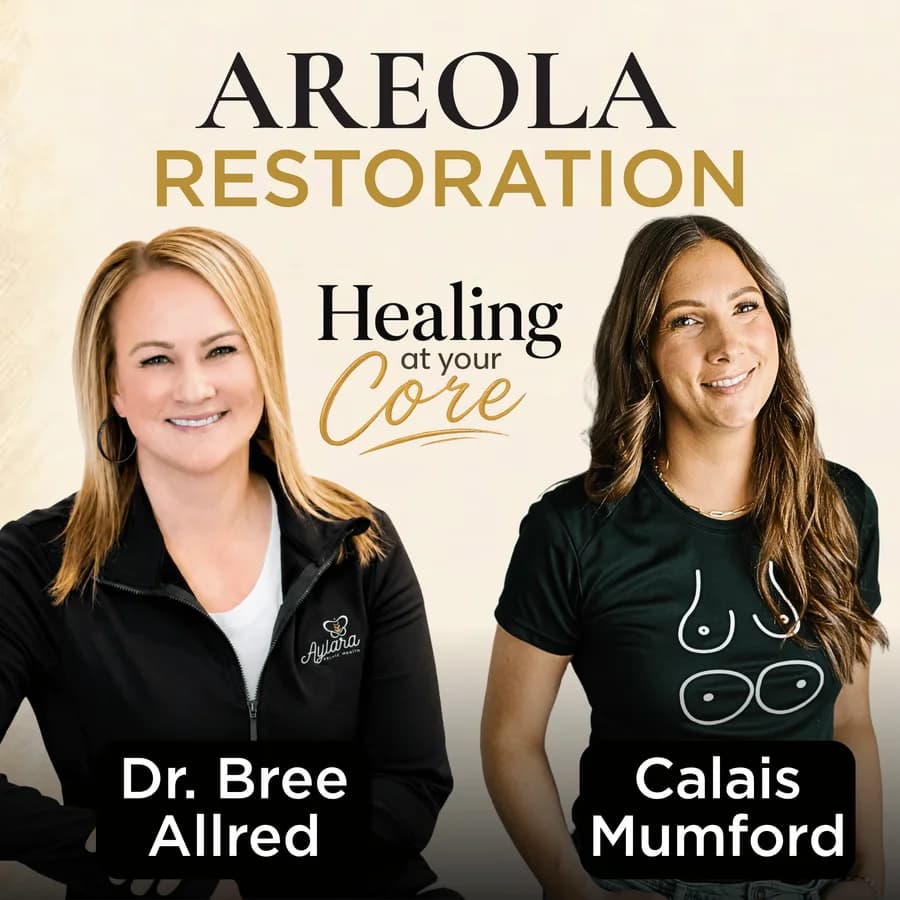
A few things from Calais that surprised me most, even as someone who has been through it.
- Consultation comes first Calais starts with a consultation before any appointment, mostly to calm nerves and set expectations. You can discuss timing, placement, shape, and color without committing. Partners are welcome when the woman wants that, as long as she stays in charge of her own decisions.
- Color is often the best part Mapping comes first, then pigment. Some clients bring photos of their old areolas. Many say they want something they like better than what they had. Pigments are mixed and swatched for skin tone and preference.
- Scar tissue can be tattooed Scarred skin behaves differently, but working with it is part of the job. Whether there is a surgically created nipple mound or flat skin, shading and highlights create the illusion of dimension. Color settles over about four weeks, with a touch-up around six weeks. Because this is considered part of reconstruction, costs may be reimbursed by insurance.
What would it mean to feel at home in your body again?
Not fixed. Not back to before. Just at home. Write down what that would look like on an ordinary Tuesday, and notice whether any part of it is already within reach.
If recovery has changed how you move or connect
Scar tightness, discomfort with intimacy, and changes in how your body feels after surgery can be brought to a pelvic health visit. We listen first and go at your pace.
Request an appointment